Overview
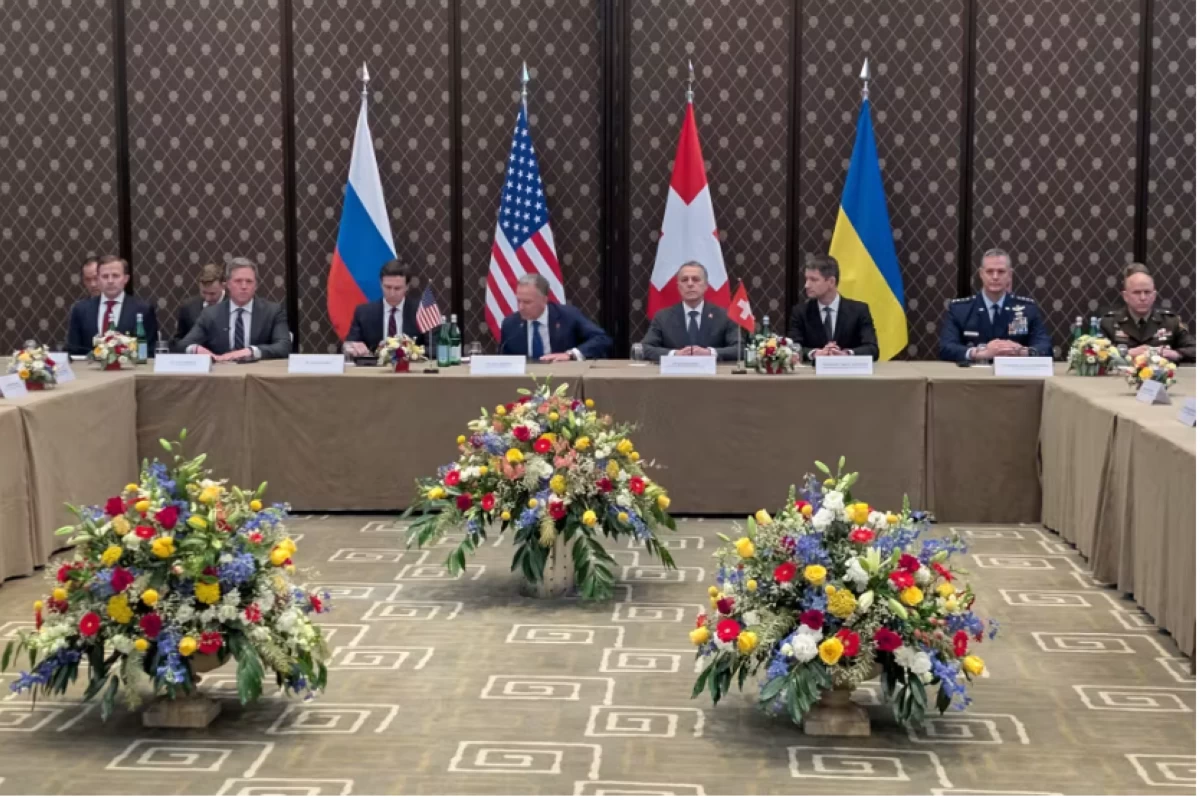
Ukraine’s chief negotiator has indicated that discussions involving Russia and the United States have shown signs of progress. These talks are part of ongoing diplomatic efforts aimed at addressing the complex issues surrounding the conflict in Ukraine. The negotiator emphasized that while challenges remain, the dialogue represents a constructive step towards potential resolutions. Both sides have expressed a willingness to engage in further conversations to explore avenues for de-escalation and conflict management. The international community continues to monitor developments closely, recognizing the importance of these negotiations in shaping the region’s stability.
Key Points
The main points from the recent discussions include an acknowledgment of mutual interests in reducing tensions and preventing further escalation. Ukraine’s negotiator highlighted specific areas where consensus has begun to emerge, including humanitarian concerns and the framework for potential ceasefire agreements. The involvement of the United States as a mediator underscores the international dimension of the conflict and the global interest in achieving a peaceful outcome. However, the parties have also noted that substantial differences remain, requiring continued engagement and diplomatic effort. Progress in talks is seen as incremental but significant in the broader context of the conflict.
Background
The conflict in Ukraine has been ongoing since 2014, with significant escalation occurring in recent years. Diplomatic efforts to resolve the crisis have involved multiple stakeholders, including regional powers and international organizations. The United States has played a prominent role in supporting Ukraine and facilitating dialogue with Russia. Previous negotiations have faced setbacks due to deep-rooted political and territorial disputes. The current round of talks reflects a renewed commitment by all parties to seek peaceful solutions, amid concerns over humanitarian impacts and regional security implications. Historically, negotiations have been complicated by issues such as sovereignty, security guarantees, and economic sanctions.
Detailed Analysis
The reported progress in talks suggests a potential shift towards more constructive engagement between the involved parties. This development could be attributed to a combination of diplomatic pressure, changing geopolitical dynamics, and the desire to avoid further conflict escalation. The negotiator’s comments indicate that while foundational disagreements persist, there is an emerging platform for addressing core issues. Analysts note that sustained dialogue is critical for building trust and developing mechanisms for conflict resolution. However, the complexity of the situation requires careful management to prevent misunderstandings or breakdowns in communication. The role of external actors, including the United States, remains pivotal in facilitating and maintaining these discussions.
Why It Matters
Advances in negotiations carry significant implications for regional and global stability. Successful dialogue could lead to reduced hostilities, improved humanitarian conditions, and the establishment of frameworks for long-term peace. The conflict’s resolution would also impact international relations, economic ties, and security arrangements in Europe. Moreover, progress in talks can influence the policies of other nations involved or affected by the crisis. The situation serves as a test case for conflict mediation in a complex geopolitical environment, highlighting the importance of diplomacy and multilateral cooperation. Consequently, the outcomes of these discussions are closely watched by governments, organizations, and populations within and beyond the region.
Conclusion
The indication of progress in talks between Ukraine, Russia, and the United States marks a cautiously optimistic development in a protracted and challenging conflict. While significant obstacles remain, the willingness of the parties to engage constructively is a positive sign. Continued diplomatic efforts are essential to build upon this momentum and translate dialogue into tangible outcomes. The international community’s support and attention will play a crucial role in sustaining negotiations and encouraging compromise. Ultimately, the path towards peace requires patience, persistence, and a commitment to addressing the underlying issues driving the conflict.