Overview
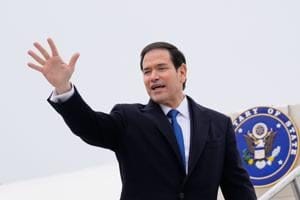
Senator Marco Rubio is scheduled to visit Israel next week with the intention of updating Prime Minister Benjamin Netanyahu on the latest developments in the ongoing United States-Iran nuclear talks. This meeting comes amid heightened regional tensions and international efforts to address concerns over Iran’s nuclear program. Rubio’s visit signifies the continued importance of US-Israel dialogue concerning Middle Eastern security issues. The discussions are expected to focus on the implications of the negotiations for Israel’s national security and regional stability. Both parties aim to exchange perspectives and coordinate their approaches to the evolving diplomatic landscape surrounding Iran’s nuclear ambitions.
Key Points
Senator Rubio plans to meet with Prime Minister Netanyahu in Israel next week. The primary topic will be updates on US-Iran nuclear negotiations. The talks are critical due to ongoing concerns about Iran’s nuclear program. The meeting underscores the importance of US-Israel cooperation on regional security matters. Rubio’s briefing will provide Israel with insights into the US administration’s stance and progress in the negotiations. This visit also reflects the broader international effort to address nuclear proliferation risks in the Middle East. Both leaders are expected to discuss potential impacts on Israel’s security policies. The engagement illustrates the US commitment to keeping its allies informed amid complex diplomatic developments.
Background
The United States and Iran have been engaged in intermittent negotiations aimed at reviving the Joint Comprehensive Plan of Action (JCPOA), commonly known as the Iran nuclear deal. The original agreement, signed in 2015, sought to limit Iran’s nuclear capabilities in exchange for sanctions relief. However, the US withdrawal from the deal in 2018 and subsequent reimposition of sanctions led to heightened tensions. Israel has expressed consistent concerns over Iran’s nuclear activities, viewing them as a direct threat to its security. The international community has been divided on how to approach Iran’s nuclear ambitions, with diplomatic efforts ongoing to find a resolution. Senator Rubio’s upcoming visit to Israel fits into this context of active diplomatic engagement and efforts to maintain open communication channels between key stakeholders.
Detailed Analysis
Senator Rubio’s planned visit to Israel reflects a strategic effort to synchronize US and Israeli perspectives on the complex issue of Iran’s nuclear program. Given Israel’s security concerns, such briefings are crucial in ensuring that both countries are aligned in their approach to the negotiations. Rubio’s discussions with Netanyahu are likely to delve into the specifics of the US administration’s negotiation stance, potential concessions, and red lines regarding Iran’s nuclear activities. This alignment is important for formulating a cohesive regional strategy that addresses both diplomatic and security challenges. Furthermore, Rubio’s engagement signals the US Senate’s interest in the matter, potentially influencing legislative oversight and foreign policy decisions. The visit also underscores the importance of diplomacy alongside deterrence in managing Iran’s nuclear ambitions.
Why It Matters
The significance of Senator Rubio’s visit lies in the ongoing efforts to prevent nuclear proliferation in the Middle East, a region marked by geopolitical volatility. Israel’s security concerns about Iran’s nuclear capabilities have implications not only for regional stability but also for global security frameworks. By updating Netanyahu directly, Rubio facilitates transparency and strengthens US-Israel coordination, which is essential for formulating effective policies. Additionally, the visit highlights the role of legislative figures in shaping foreign policy and ensuring that diplomatic efforts are informed by allies’ perspectives. Effective communication between the US and Israel can contribute to more robust strategies that address both diplomatic solutions and security imperatives related to Iran’s nuclear program.
Conclusion
Senator Marco Rubio’s forthcoming meeting with Prime Minister Benjamin Netanyahu represents a key moment in US-Israel relations amid sensitive negotiations with Iran. This engagement underscores the importance of maintaining open dialogue and coordination between allies on issues of regional security and nuclear non-proliferation. As the US continues its diplomatic efforts to address concerns surrounding Iran’s nuclear ambitions, such visits contribute to shared understanding and strategic alignment. The outcomes of these discussions may influence subsequent policy decisions and diplomatic initiatives. Ultimately, Rubio’s briefing aims to support a collaborative approach that balances diplomatic negotiations with vigilant attention to Israel’s security priorities and broader regional stability.