Overview
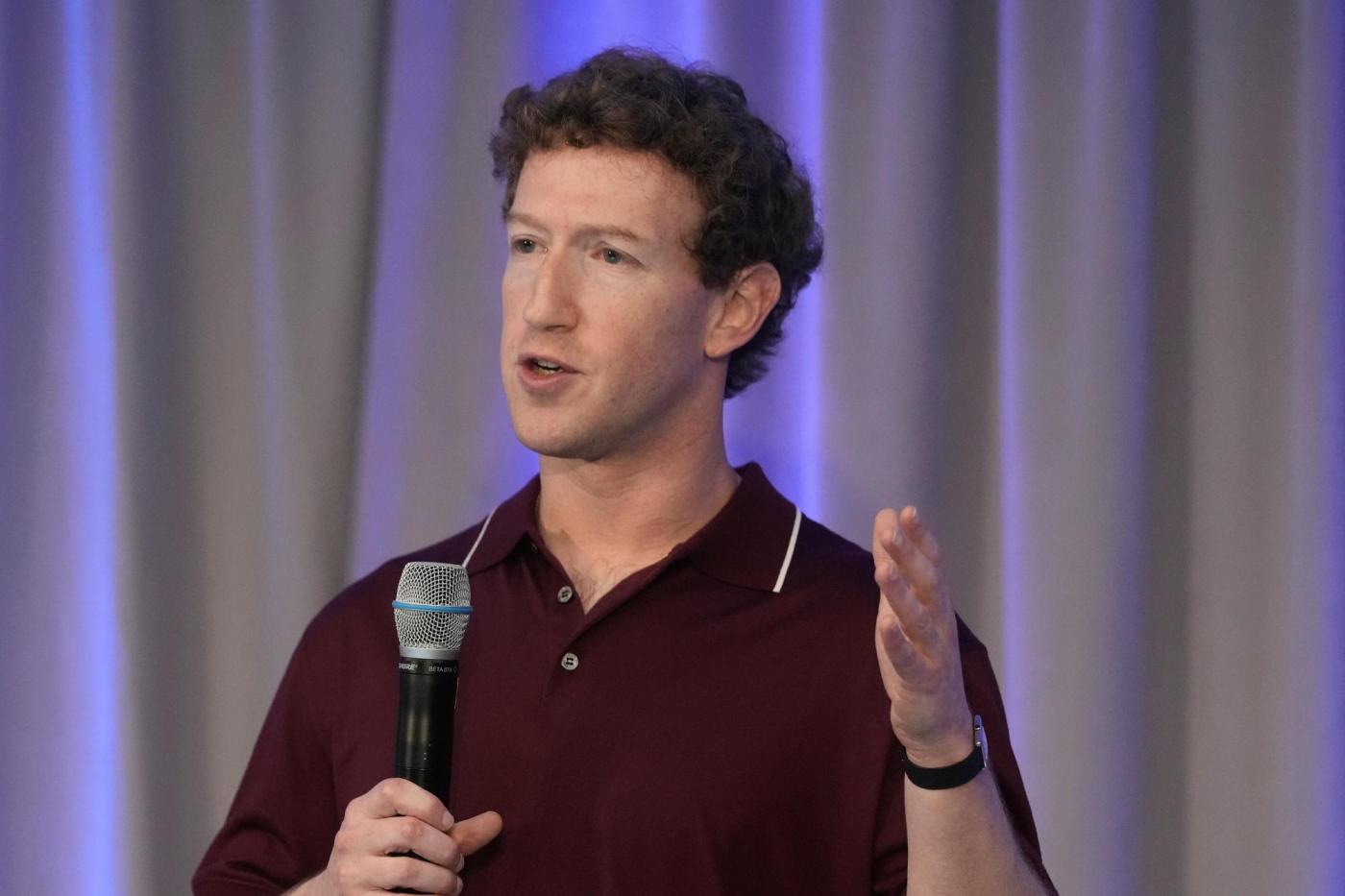
Mark Zuckerberg, CEO of Meta Platforms, is scheduled to testify in a significant legal case concerning social media practices. The trial is expected to address critical issues related to data privacy, content moderation, and the influence of social media platforms on public discourse. This proceeding marks a notable moment in the ongoing scrutiny of major technology companies and their societal impacts. Zuckerberg’s testimony could provide insights into the operational decisions and regulatory challenges faced by Meta. Stakeholders across the technology sector, legal community, and the public are closely monitoring the developments of this case, which may set precedents for future governance of digital platforms.
Key Points
The trial will focus on allegations surrounding Meta’s handling of user data and the effectiveness of its content moderation policies. Zuckerberg’s testimony is anticipated to clarify the company’s approach to balancing user privacy with platform safety. Legal experts suggest that the case could influence regulatory frameworks governing social media companies. The proceedings may also explore the potential consequences of algorithm-driven content distribution on user behavior and societal outcomes. This trial reflects broader concerns about accountability and transparency within the technology industry. The outcome may impact how social media platforms operate and interact with users globally.
Background
Meta Platforms, formerly Facebook, has been under increasing scrutiny regarding its role in shaping online interactions and managing user information. Previous investigations and reports have highlighted challenges related to misinformation, privacy breaches, and the societal effects of social media. Regulatory bodies worldwide have proposed new rules to address these issues, and this trial represents a legal response to such concerns. Zuckerberg, as the company’s founder and leader, has previously testified before legislative bodies on related topics. The current trial arises amid growing public demand for clearer regulations and more responsible corporate governance within the tech sector.
Detailed Analysis
The upcoming testimony by Zuckerberg is significant in understanding Meta’s internal policies and their implementation. Analysts anticipate that his statements will shed light on the company’s decision-making processes regarding controversial content and data management. The case underscores tensions between innovation, user autonomy, and regulatory oversight. It also highlights the complexities of enforcing accountability in rapidly evolving digital environments. Legal scholars note that the trial could influence how courts interpret the responsibilities of social media companies. Moreover, it may prompt further discussions on the ethical implications of algorithmic content curation and the protection of user rights online.
Why It Matters
This trial is consequential because it addresses foundational questions about the role and responsibility of social media platforms in modern society. With billions of users worldwide, decisions made by companies like Meta have far-reaching effects on communication, information dissemination, and democracy. The outcome could lead to stronger regulatory measures, impacting how social media companies operate and innovate. It also reflects a growing societal demand for transparency and ethical standards in technology. Understanding Zuckerberg’s position and the legal arguments presented will be crucial for policymakers, industry leaders, and users seeking to navigate the complexities of digital interaction and governance.
Conclusion
Mark Zuckerberg’s testimony in this landmark trial represents a critical juncture for Meta and the broader social media landscape. The case offers an opportunity to examine the balance between technological advancement and societal accountability. As the proceedings unfold, they may establish important legal and ethical standards shaping the future of digital communication. Stakeholders from multiple sectors are likely to be affected by the trial’s outcome, which could influence regulatory approaches and corporate practices globally. Ultimately, this trial underscores the ongoing challenges and responsibilities faced by social media companies in addressing the evolving needs and concerns of their users and society at large.