Overview
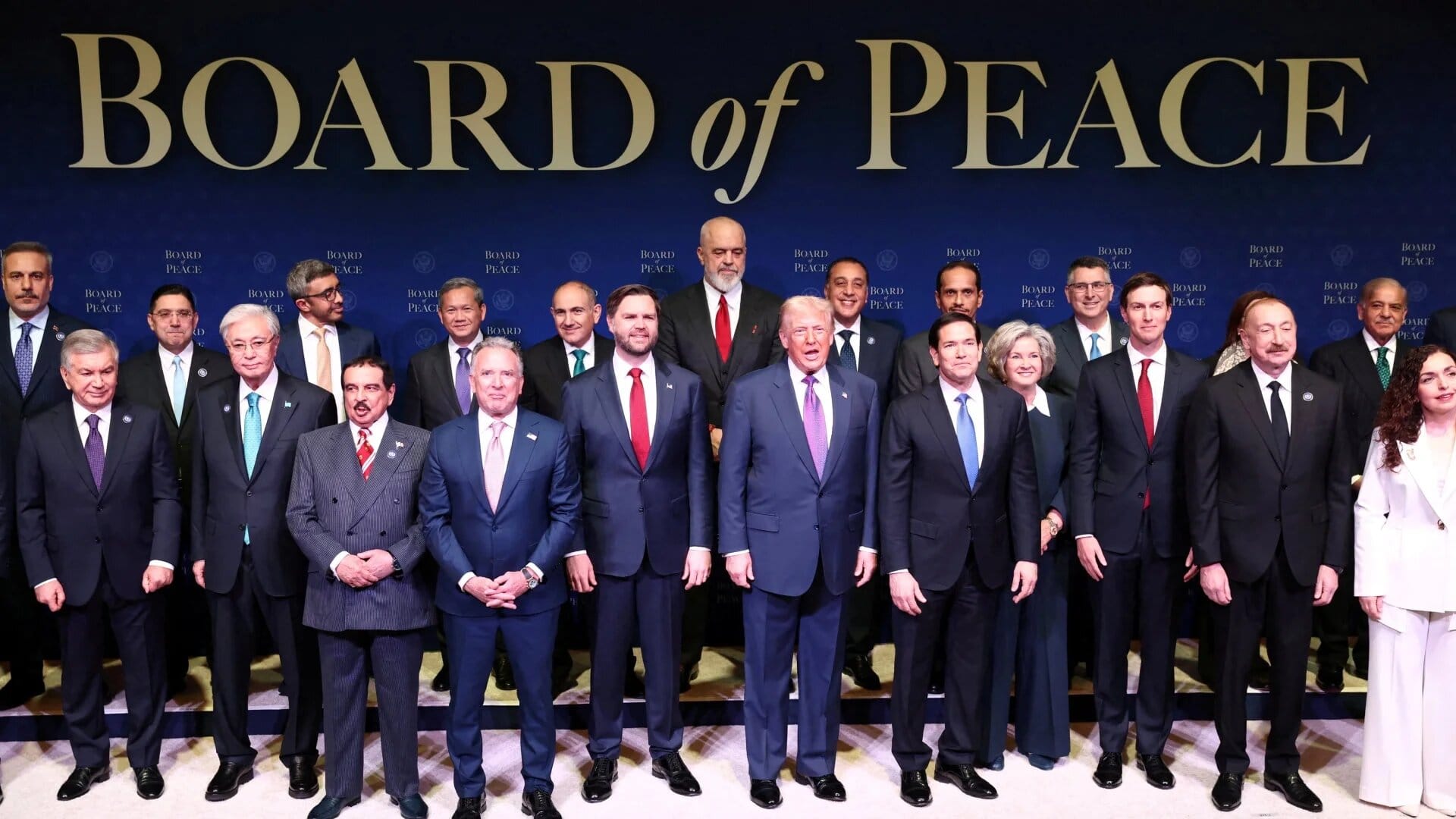
A coalition of international donors, known as the ‘Board of Peace,’ has collectively committed $7 billion to support humanitarian relief efforts in Gaza. In addition to this contribution, the United States has pledged a further $10 billion to address the urgent needs arising from the ongoing conflict. These financial commitments aim to provide essential aid, including medical supplies, food, and shelter, to the affected population in Gaza. The funds are intended to support both immediate relief and longer-term recovery initiatives, reflecting a coordinated response to the escalating humanitarian crisis in the region. The announcement comes amid intensifying conflict, which has severely impacted civilian infrastructure and displaced thousands of individuals.
Key Points
The ‘Board of Peace,’ comprising multiple international donors, has committed $7 billion towards Gaza relief efforts. Separately, the United States government has announced an additional $10 billion in aid. These funds are designated for humanitarian assistance, including healthcare, food security, and shelter provision. The collaborative effort underscores the global community’s recognition of the severity of the crisis in Gaza. The financial support aims to alleviate the immediate suffering of civilians and facilitate recovery in the aftermath of the conflict. Coordination among donors is expected to enhance the efficiency and effectiveness of aid delivery. The scale of the pledges highlights the urgent need for sustained international engagement in the region.
Background
The Gaza Strip has been experiencing ongoing conflict resulting in significant humanitarian challenges. Decades of tension have contributed to periodic escalations, with recent hostilities exacerbating the situation. The densely populated area faces critical shortages in essential services, including healthcare, water, and electricity. Displacement of civilians has increased demand for emergency shelter and aid. International response efforts have been mobilized to address these needs, with various organizations and governments coordinating assistance. The ‘Board of Peace’ represents a coalition formed to pool resources and expertise for effective humanitarian intervention. The United States has played a prominent role in international aid, reflecting its strategic interest and commitment to regional stability.
Detailed Analysis
The combined $17 billion pledge from the ‘Board of Peace’ and the United States marks a significant financial intervention aimed at addressing the multifaceted humanitarian crisis in Gaza. The scale of funding reflects both the magnitude of needs on the ground and the geopolitical importance of the region. Effective allocation and management of these resources will be critical to ensuring aid reaches vulnerable populations promptly. Challenges include navigating complex political dynamics, ensuring coordination among various aid agencies, and addressing logistical constraints within Gaza. The commitment also signals increased international solidarity, potentially influencing diplomatic efforts towards conflict resolution. However, sustained engagement and transparency in fund utilization will be essential to maximize impact and maintain donor confidence.
Why It Matters
This substantial financial commitment holds considerable importance for several reasons. Firstly, it directly addresses the urgent humanitarian needs of thousands affected by the conflict, providing essential resources that can save lives and improve living conditions. Secondly, the collective action by international donors demonstrates a unified response, which can enhance the effectiveness of aid delivery and set a precedent for future crisis management. Thirdly, the involvement of the United States alongside other donors underscores the global significance of stability in the region, potentially influencing broader geopolitical dynamics. Finally, the aid package may contribute to mitigating long-term instability by supporting recovery and reconstruction efforts, thereby fostering conditions conducive to peace and development.
Conclusion
The recent pledges totaling $17 billion from the ‘Board of Peace’ and the United States represent a critical step in addressing the escalating humanitarian crisis in Gaza. These funds are poised to provide vital support to those affected by ongoing conflict and displacement. While the financial commitments are substantial, the effectiveness of the response will depend on coordinated implementation and sustained international engagement. Continued monitoring and evaluation will be necessary to ensure that aid reaches intended beneficiaries and contributes to broader efforts towards stability and recovery. This collaborative initiative highlights the role of international cooperation in responding to complex emergencies and underscores the need for ongoing support to address both immediate and long-term challenges in Gaza.