Overview
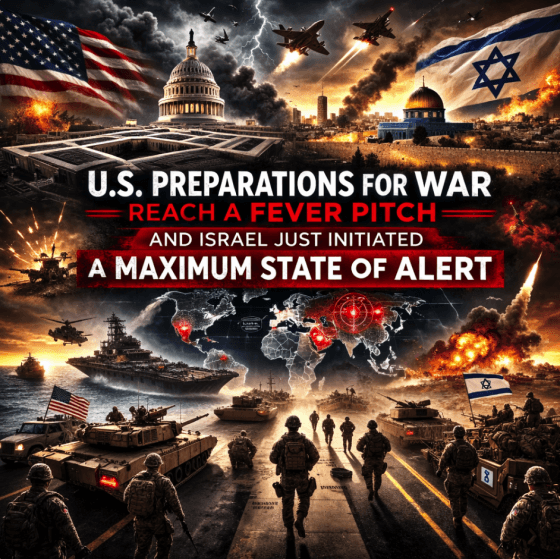
Recent developments indicate a significant increase in military preparedness by the United States, coinciding with Israel’s declaration of a maximum state of alert. These measures reflect escalating concerns over regional security and potential conflict scenarios. Both nations are intensifying their defense postures in response to evolving geopolitical dynamics and emerging threats. This surge in readiness underscores the complexity and volatility of the current security environment, prompting heightened vigilance and strategic positioning by key actors.
Key Points
The United States has accelerated its military preparations, signaling a readiness to respond to potential conflicts. Concurrently, Israel has initiated its highest level of alert, mobilizing forces and enhancing surveillance measures. These actions are driven by intelligence assessments and ongoing regional developments. The coordination between U.S. and Israeli defense strategies highlights the importance of allied cooperation in addressing shared security challenges. Additionally, neighboring countries and international stakeholders are closely monitoring the situation due to its implications for regional stability.
Background
Tensions in the Middle East have periodically escalated due to longstanding geopolitical disputes, security concerns, and shifting alliances. The U.S. has historically maintained a strategic presence in the region, supporting Israel and other allies. Recent events, including increased hostilities and political developments, have contributed to an atmosphere of heightened alertness. Israel’s decision to declare a maximum state of alert is consistent with its approach to emerging threats that could impact national security. Understanding these historical and political contexts is essential to comprehending the current military posturing.
Detailed Analysis
The intensification of military readiness by the U.S. and Israel suggests a proactive approach to potential conflict deterrence. This posture may serve multiple purposes: signaling resolve to adversaries, reassuring domestic and allied audiences, and preparing for rapid response if needed. However, increased alertness also carries risks, including the potential for miscalculation or escalation. The balance between deterrence and diplomacy remains delicate. Analysts emphasize the importance of clear communication channels and multilateral engagement to mitigate the risk of unintended confrontations in a complex security landscape.
Why It Matters
The elevated military alertness holds significant implications for regional and global security. It affects diplomatic relations, economic stability, and the safety of civilian populations in affected areas. International markets may respond to perceived instability, and humanitarian concerns could intensify if conflict arises. Moreover, the situation tests the effectiveness of international institutions and alliances in conflict prevention and resolution. Understanding these developments is crucial for policymakers, analysts, and the public to anticipate potential outcomes and support efforts toward peaceful solutions.
Conclusion
The current state of heightened military preparedness in the U.S. and Israel reflects deep-seated concerns about regional security and the possibility of conflict escalation. While these measures aim to enhance defense capabilities and deterrence, they also underscore the fragility of the geopolitical environment. Continued monitoring, diplomatic engagement, and strategic restraint will be essential to prevent further deterioration of the situation. The international community’s response in the coming days and weeks will play a pivotal role in shaping the trajectory of these developments and maintaining regional stability.