**Article:**
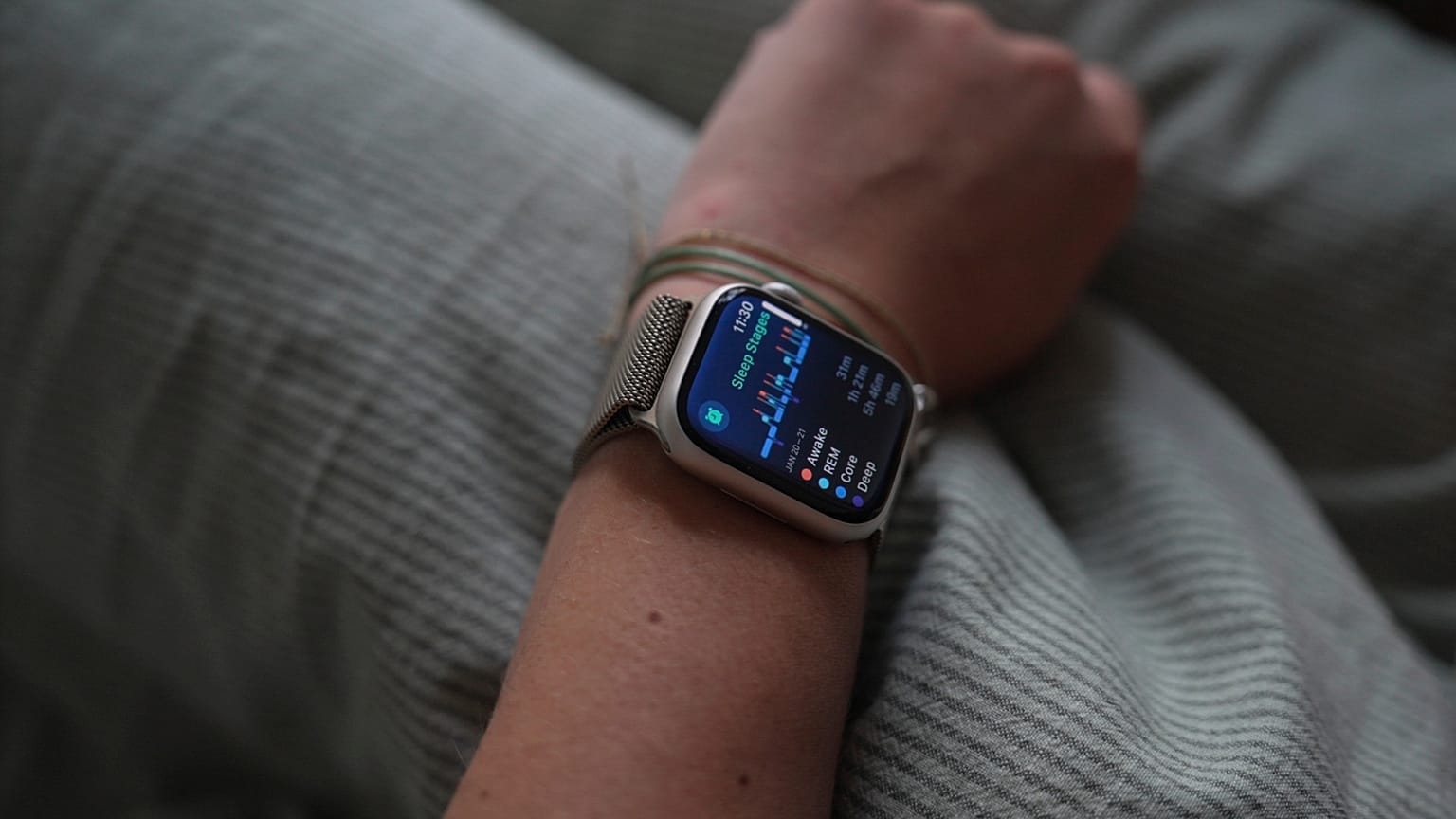
Wearable devices like smartwatches and rings have become increasingly popular tools for monitoring sleep patterns. These gadgets use sensors to track movements, heart rate, and other indicators to estimate sleep duration and quality. However, experts caution that while these devices can provide useful insights, they are not as precise as clinical sleep studies conducted in controlled environments.
The data collected by wearables can help users identify general trends in their sleep habits but may not accurately detect specific sleep stages or disorders. Factors such as device placement, individual differences, and technology limitations can affect the reliability of the information. Therefore, experts recommend using these devices as supplementary tools rather than definitive diagnostic instruments.
**Why this matters**
As more people rely on wearable technology to manage their health, understanding the strengths and weaknesses of sleep tracking is essential. Proper interpretation of the data can guide better lifestyle choices and prompt professional consultation when necessary. Misinterpreting or overestimating the accuracy of these devices could lead to unnecessary concern or overlooked sleep issues.
Source: NewsData