Overview
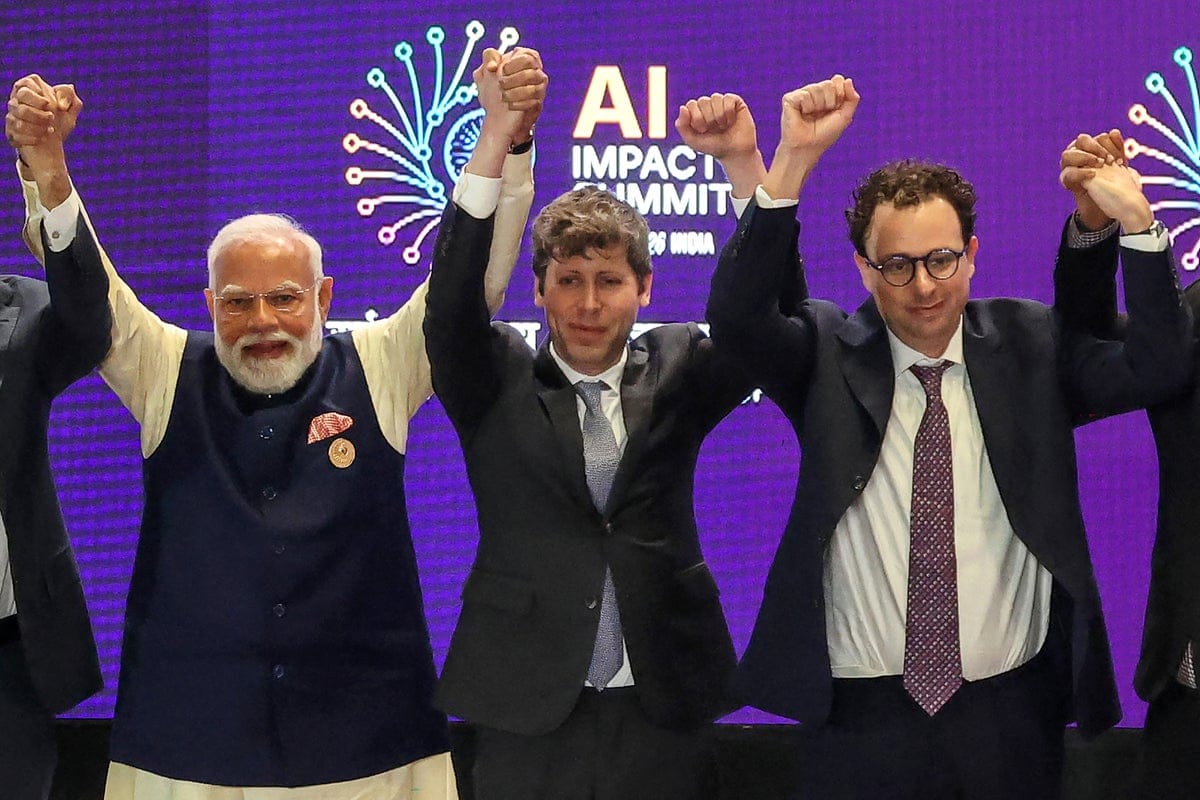
At a recent summit held in India, prominent figures in technology and governance convened to address the rapid advancements in artificial intelligence (AI) and the associated risks. Sam Altman, CEO of OpenAI, highlighted potential dangers linked to open-source AI models, including their possible misuse in developing harmful biological agents. The gathering emphasized the need for international cooperation and the establishment of regulatory frameworks to ensure responsible AI development and deployment. Discussions underscored the dual-use nature of AI technologies, which can drive innovation but also pose significant security challenges if left unchecked.
Key Points
Sam Altman cautioned that open-source AI platforms might facilitate the creation of dangerous pathogens, raising concerns about biosecurity. Leaders at the summit called for the implementation of global guardrails to oversee AI research and applications. The dialogue reflected a growing consensus on the importance of transparency, ethical standards, and collaboration among nations to mitigate risks. Participants also explored mechanisms for monitoring AI developments and enforcing compliance with safety protocols. The summit marked a critical step toward aligning technological progress with societal safety and security imperatives.
Background
Artificial intelligence has undergone rapid evolution, with open-source models playing a significant role in democratizing access to advanced technologies. While these models enable widespread innovation and research, they also introduce vulnerabilities, especially when used maliciously. The intersection of AI and biotechnology has raised alarms about the potential for engineered pathogens. Previous international efforts have focused on nuclear and chemical weapons control, but AI presents novel challenges requiring updated frameworks. The India summit brought together experts from multiple sectors to address these complexities and explore paths for effective governance in a fast-changing technological landscape.
Detailed Analysis
The concerns voiced by Sam Altman reflect a broader apprehension within the AI community regarding the unintended consequences of unrestricted access to powerful tools. Open-source AI, while fostering innovation, lowers barriers that could allow bad actors to develop sophisticated biological threats. Establishing global guardrails involves balancing innovation incentives with security needs, which is challenging given diverse national interests and technological capabilities. The summit highlighted the importance of shared norms, data sharing, and real-time monitoring to detect and respond to emerging risks. Moreover, it underscored the necessity of multi-stakeholder engagement, including governments, industry, and academia, to create resilient regulatory systems.
Why It Matters
The discussions at the India summit are significant because they address the intersection of AI advancement and global security, a critical issue in today’s interconnected world. As AI technologies become more accessible, the potential for misuse increases, necessitating proactive measures to prevent catastrophic outcomes. Implementing global guardrails can help safeguard public health and maintain trust in AI innovations. Furthermore, these efforts contribute to establishing international norms that can guide responsible AI development, ensuring that technological progress benefits society while minimizing risks. The summit’s outcomes could influence policy decisions and shape the future trajectory of AI governance worldwide.
Conclusion
The India summit served as a pivotal forum for examining the risks and responsibilities associated with artificial intelligence, especially in the context of open-source platforms. Sam Altman’s warnings highlight the urgency of addressing potential biosecurity threats linked to AI misuse. The collective call for global regulatory frameworks reflects a commitment to fostering safe and ethical AI development. Moving forward, sustained international collaboration and robust governance mechanisms will be essential to balance innovation with security. The summit underscored that proactive engagement and shared responsibility are key to navigating the challenges posed by emerging AI technologies and protecting global well-being.