Overview
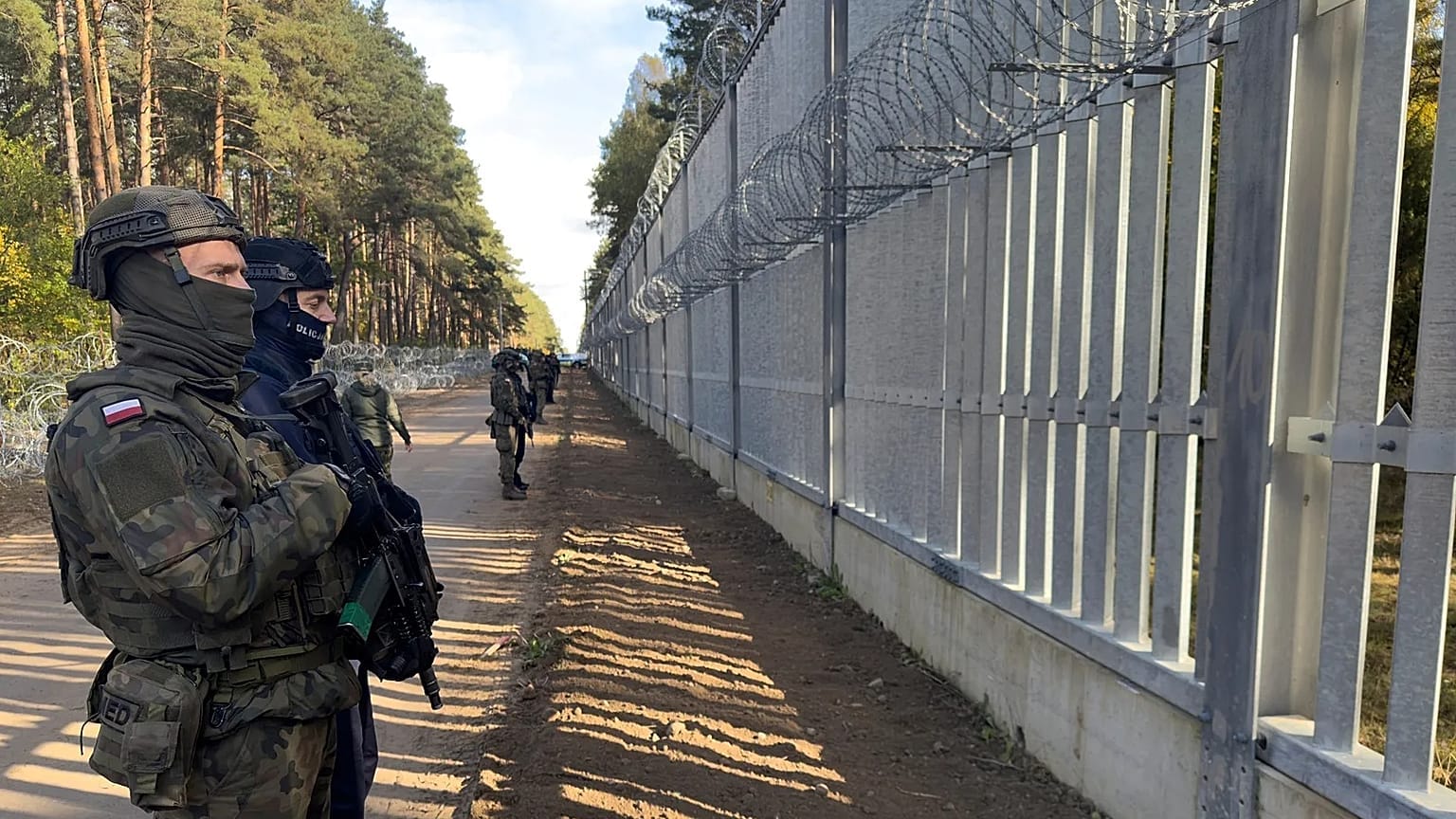
The European Union has proposed a €28 billion loan package aimed at strengthening the economic stability and infrastructure of its eastern border regions impacted by the ongoing conflict in Ukraine. This financial initiative is designed to address the challenges posed by increased security concerns, disrupted trade routes, and the influx of displaced populations. By providing substantial financial assistance, the EU seeks to mitigate the adverse effects on border communities, ensuring continued development and resilience amidst geopolitical tensions. The loan package is part of a broader strategy to maintain cohesion and stability within the Union while supporting member states most directly affected by the conflict.
Key Points
The EU’s €28 billion loan program targets eastern regions adjacent to Ukraine, focusing on economic recovery and infrastructure enhancement. The funds are intended to support public services, transport networks, and social integration measures for displaced persons. The initiative reflects a coordinated response among member states to buffer the economic and social repercussions of the war. It emphasizes sustainable development, cross-border cooperation, and security reinforcement. The proposal also aligns with the EU’s broader objectives of maintaining unity and addressing vulnerabilities exposed by the conflict. Implementation will involve collaboration with national governments and regional authorities to ensure effective allocation and impact.
Background
Since the onset of the Ukraine conflict, the eastern European border regions have experienced significant disruptions, including increased security risks, economic slowdowns, and humanitarian challenges. These areas serve as critical transit zones for goods and people, making them particularly vulnerable to geopolitical instability. The EU has previously deployed various financial instruments to support affected member states, but the scale of the current crisis necessitates additional resources. The €28 billion loan package emerges amid ongoing efforts to reinforce the EU’s external borders and support communities facing the direct consequences of the war. This financial response reflects the Union’s commitment to solidarity and regional stability.
Detailed Analysis
The proposed loan package represents a strategic investment in the resilience of border regions facing multifaceted challenges due to the Ukraine conflict. By targeting infrastructure and social services, the EU aims to prevent long-term economic decline and social fragmentation. The emphasis on cross-border cooperation could foster stronger ties between member states and improve regional security frameworks. However, the success of this initiative will depend on efficient coordination among various administrative levels and transparent management of funds. Additionally, the loan structure implies repayment obligations, which may influence the fiscal policies of recipient regions. The initiative highlights the EU’s balancing act between immediate crisis response and sustainable economic planning.
Why It Matters
Supporting eastern border regions is crucial for the EU’s overall stability and security. These areas act as the frontline buffer to external conflicts and disruptions, and their well-being directly affects the Union’s cohesion. Addressing economic and social challenges in these regions can reduce migration pressures, prevent destabilization, and maintain smooth functioning of internal markets. Moreover, the initiative signals the EU’s proactive stance in managing the consequences of the Ukraine conflict and upholding its values of solidarity and mutual support. The loan package also sets a precedent for future responses to geopolitical crises that impact member states unevenly.
Conclusion
The EU’s €28 billion loan proposal underscores a comprehensive approach to mitigating the impacts of the Ukraine conflict on its eastern border regions. By focusing on economic recovery, infrastructure development, and social cohesion, the initiative aims to foster resilience and long-term stability. While challenges related to fund management and repayment exist, the coordinated effort reflects the Union’s commitment to supporting vulnerable regions and maintaining internal unity. This financial strategy represents a significant step in addressing the broader implications of regional conflicts and ensuring that affected communities receive necessary assistance to navigate ongoing uncertainties.