Overview
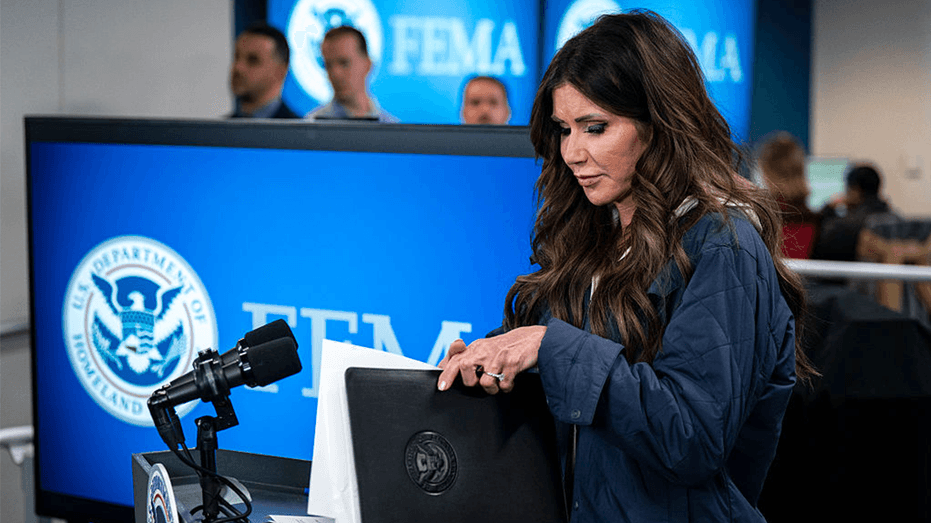
The ongoing Department of Homeland Security (DHS) shutdown has raised concerns about the capacity of local emergency responders to effectively manage extreme weather situations. Experts highlight that the absence of federal support during this period places considerable pressure on municipal agencies, which are often already operating with limited resources. This development comes at a time when several regions are experiencing heightened weather-related emergencies, including storms and flooding, necessitating coordinated and timely responses. The disruption in federal assistance could potentially affect response times, resource availability, and overall disaster management efficacy at the local level.
Key Points
The DHS shutdown has led to a suspension or reduction of federal support services crucial to emergency management. Local responders are facing increased operational burdens without access to some federal resources and coordination mechanisms. Extreme weather events continue to pose significant challenges, requiring prompt and well-resourced responses. Experts warn that prolonged federal shutdowns could exacerbate risks to public safety and infrastructure. Coordination between federal and local agencies is essential for effective disaster response, and interruptions in this relationship may hinder emergency preparedness and recovery efforts.
Background
The Department of Homeland Security is a key federal agency responsible for coordinating national efforts in emergency preparedness, response, and recovery. It provides funding, technical assistance, and operational support to state and local emergency management agencies. Historically, DHS has played a pivotal role during severe weather incidents by facilitating resource allocation, communication networks, and logistical support. The current shutdown, resulting from budgetary and policy disagreements at the federal level, has led to partial or complete suspension of these services. This situation coincides with a period marked by increased frequency and intensity of weather-related disasters, which puts additional strain on local emergency systems.
Detailed Analysis
The disruption caused by the DHS shutdown impacts multiple facets of emergency response. Without federal personnel and resources, local agencies must rely more heavily on their existing capacities, which vary widely across jurisdictions. This can lead to disparities in response effectiveness, particularly in under-resourced areas. The absence of federal coordination may also delay the deployment of specialized teams and equipment necessary for managing complex emergencies. Furthermore, intelligence sharing and communication channels that typically support situational awareness are compromised, potentially affecting decision-making. The shutdown highlights vulnerabilities within the emergency management framework, emphasizing the interconnected nature of federal and local roles.
Why It Matters
Effective emergency response is critical for minimizing harm during extreme weather events, which are increasing in frequency and severity due to climate change. The DHS shutdown undermines the support structure that local responders depend upon, potentially risking lives and property. This situation underscores the importance of stable federal funding and cooperation to maintain readiness and resilience. It also serves as a reminder of the broader implications of political stalemates on public safety and community well-being. Ensuring uninterrupted emergency services is essential for safeguarding populations and sustaining trust in public institutions.
Conclusion
The current DHS shutdown presents significant challenges for local emergency responders tasked with managing extreme weather incidents. While local agencies continue to fulfill their duties, the reduction in federal support highlights systemic vulnerabilities in disaster response frameworks. Addressing these challenges requires prompt resolution of federal funding issues to restore full operational capacity. In the interim, local governments may need to explore alternative strategies to bolster resilience and resource availability. Ultimately, the situation emphasizes the necessity of continuous collaboration between federal and local entities to ensure effective protection and response capabilities during emergencies.