Overview
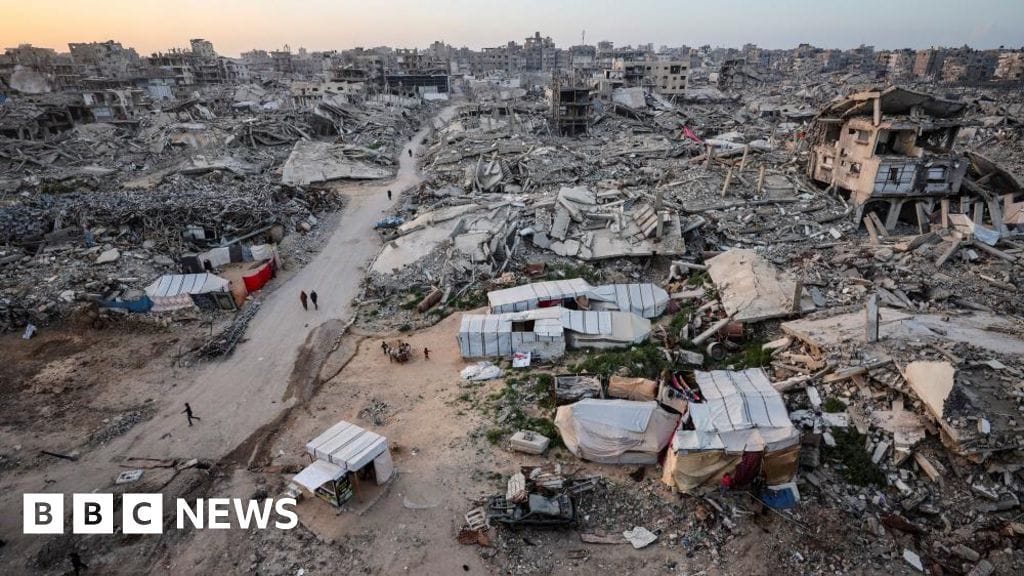
Members of the Board of Peace, affiliated with former President Donald Trump, have pledged $7 billion to support humanitarian relief efforts in Gaza. This significant financial commitment aims to address the urgent needs resulting from ongoing conflicts in the region. The funds are intended to provide essential services such as medical aid, food supply, and infrastructure rebuilding to alleviate the humanitarian crisis faced by the civilian population. The announcement underscores the role of private and political groups in international humanitarian assistance amid complex geopolitical challenges.
Key Points
The Board of Peace has committed $7 billion to Gaza relief, focusing on critical humanitarian needs including healthcare, food security, and infrastructure repair. The funding is expected to be channeled through various aid organizations and local partners to maximize impact. This initiative represents a notable private-sector involvement in addressing the consequences of the conflict in Gaza. The pledge complements ongoing international efforts while highlighting the engagement of politically affiliated groups in global humanitarian issues.
Background
Gaza has experienced prolonged conflict leading to significant humanitarian challenges, including displacement, infrastructure damage, and limited access to basic services. Various international organizations and governments have been involved in providing aid to mitigate the crisis. The Board of Peace, linked to former President Trump, has now entered the arena with a substantial financial pledge. This move follows increased global attention on the humanitarian situation in Gaza and reflects a broader trend of private entities participating in relief efforts amid complex political dynamics.
Detailed Analysis
The $7 billion commitment by the Board of Peace marks a significant financial intervention by a politically affiliated private group in the Gaza humanitarian crisis. This involvement may influence the distribution and management of aid, potentially introducing new partnerships and operational strategies. However, the effectiveness of such contributions depends on coordination with established international agencies and adherence to humanitarian principles. The political associations of the Board may also impact perceptions and reception of the aid within the region and among other stakeholders.
Why It Matters
The pledge is noteworthy as it highlights the growing role of non-governmental and politically linked organizations in international humanitarian aid. Given the scale of the commitment, it could substantially affect relief operations in Gaza, potentially accelerating recovery efforts. It also raises questions about the influence of political affiliations on aid distribution and the importance of maintaining neutrality in humanitarian assistance. Understanding these dynamics is crucial for stakeholders engaged in conflict resolution and humanitarian support.
Conclusion
The Board of Peace’s $7 billion pledge for Gaza relief represents a major private-sector contribution to addressing a complex humanitarian crisis. While the funding promises to provide much-needed support to affected populations, its success will depend on effective coordination with existing aid frameworks and sensitivity to the political context. This development illustrates the evolving landscape of international humanitarian aid, where diverse actors, including politically affiliated groups, are increasingly involved in relief efforts. Monitoring the implementation and impact of this commitment will be essential to ensure it meets the intended humanitarian objectives.