**Article:**
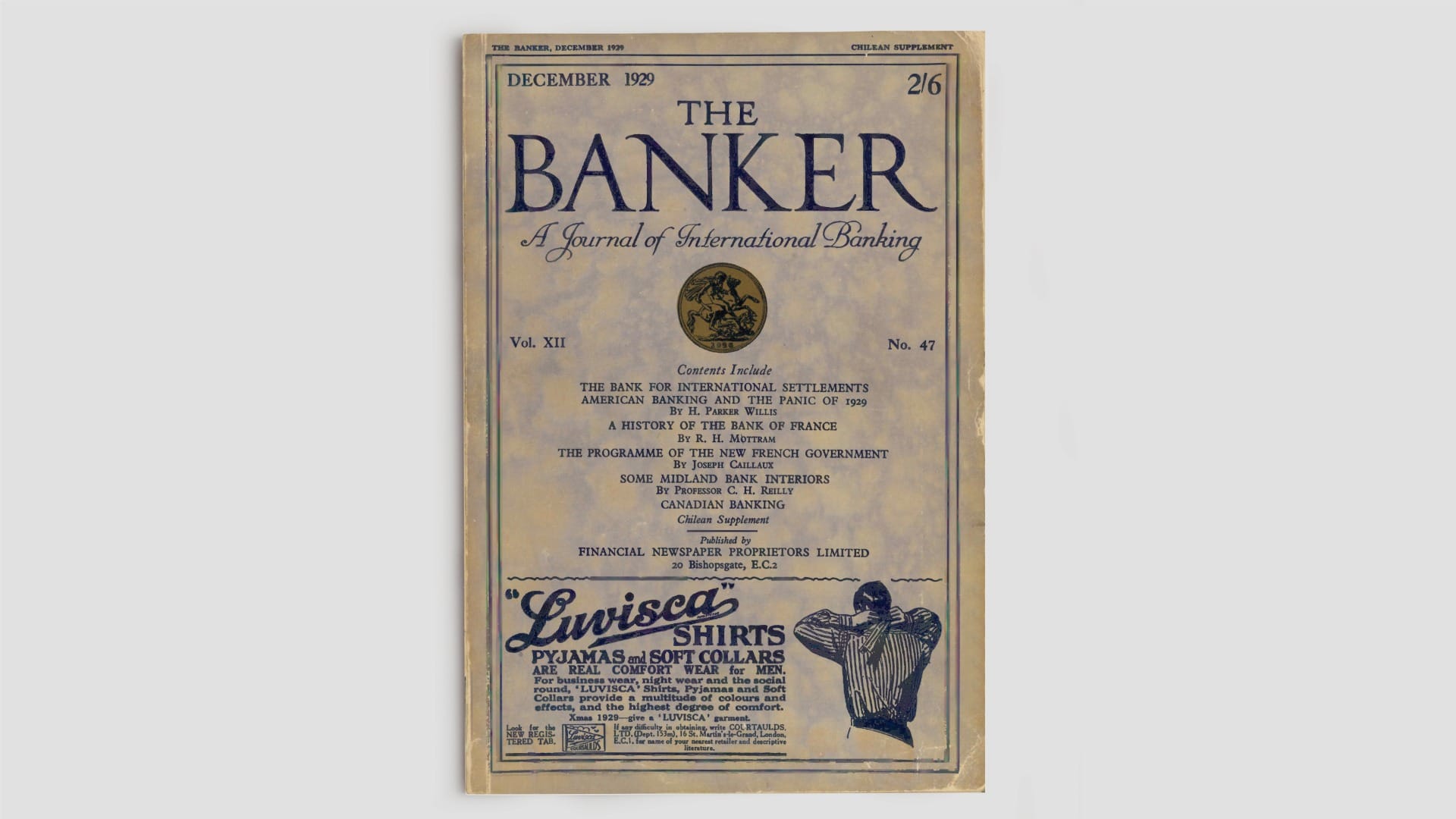
In late October 1929, the United States experienced one of the most significant financial crises in its history, known as the Wall Street Crash. Over several days, stock prices plummeted dramatically, wiping out billions of dollars in market value. This sudden collapse marked the end of the Roaring Twenties, a decade characterized by rapid economic growth and speculative investment.
The crash had widespread effects, leading to a severe economic downturn that extended beyond the United States. Banks failed, businesses closed, and unemployment rates soared, contributing to the onset of the Great Depression. The event highlighted vulnerabilities in the financial system and exposed the risks of unchecked market speculation.
**Why this matters:**
The 1929 Wall Street Crash serves as a critical lesson in financial history, illustrating how market instability can trigger broader economic consequences. It prompted significant changes in financial regulation and oversight aimed at preventing similar collapses. Understanding this event helps contextualize modern economic policies and the importance of maintaining market stability.
Source: NewsData