**Article:**
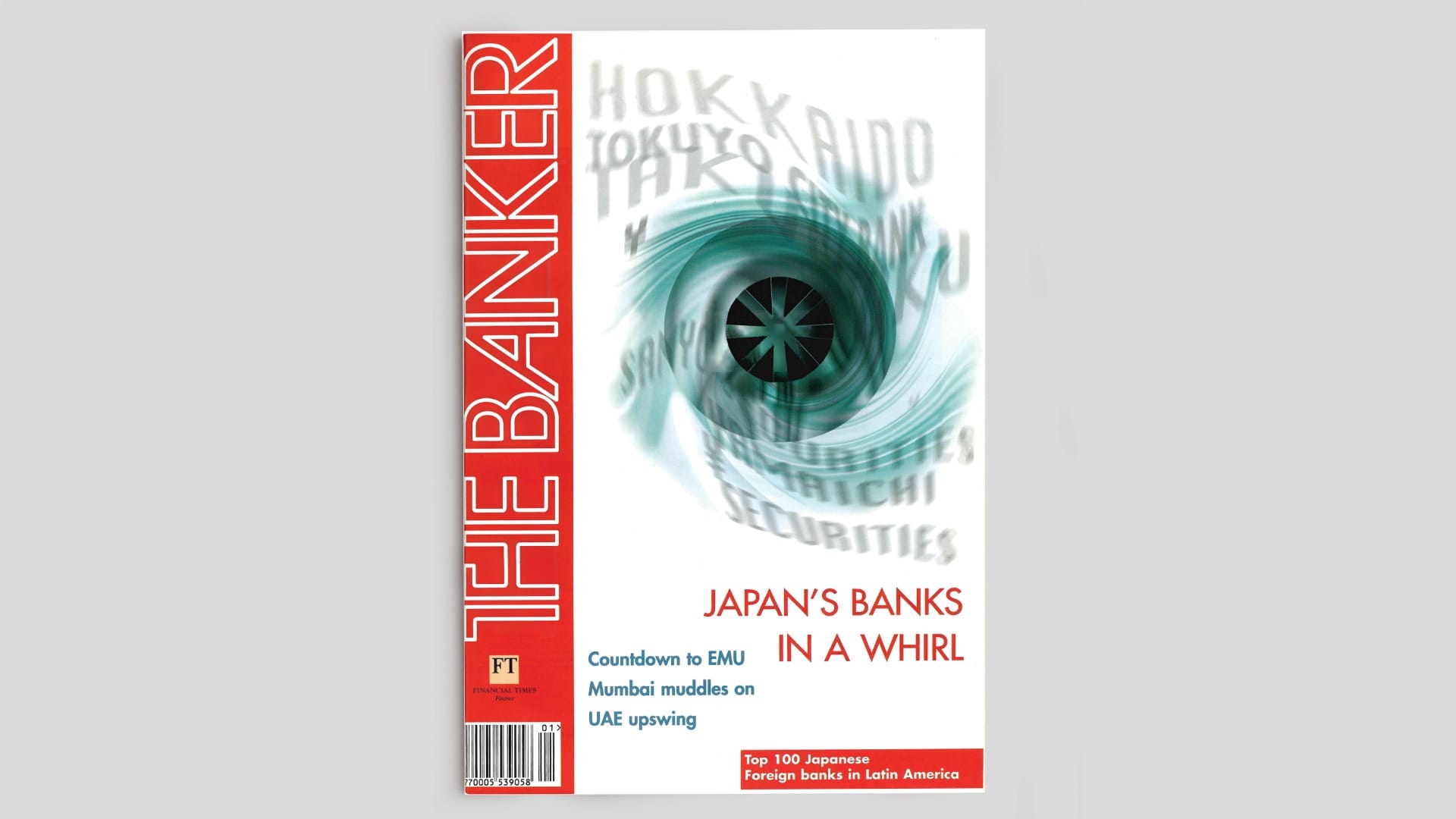
The Asian financial crisis, which began in 1997 and extended into 1998, was a period of severe economic turmoil affecting many countries in East and Southeast Asia. It started with the collapse of the Thai baht after the government was forced to float the currency due to lack of foreign reserves. The crisis quickly spread to neighboring countries, including Indonesia, South Korea, Malaysia, and the Philippines, leading to sharp declines in currency values, stock markets, and economic growth.
The crisis exposed vulnerabilities in the region’s financial systems, such as excessive borrowing and weak regulatory frameworks. International organizations like the International Monetary Fund (IMF) intervened with bailout packages aimed at stabilizing economies and restoring confidence. The aftermath prompted significant reforms in financial policies and governance across the affected nations.
**Why this matters:**
Understanding the Asian financial crisis is important because it highlights the risks of rapid capital flows and inadequate financial oversight. The event reshaped economic policies in the region and influenced global approaches to financial stability and crisis management. Lessons learned continue to inform how countries prepare for and respond to economic shocks today.
Source: NewsData