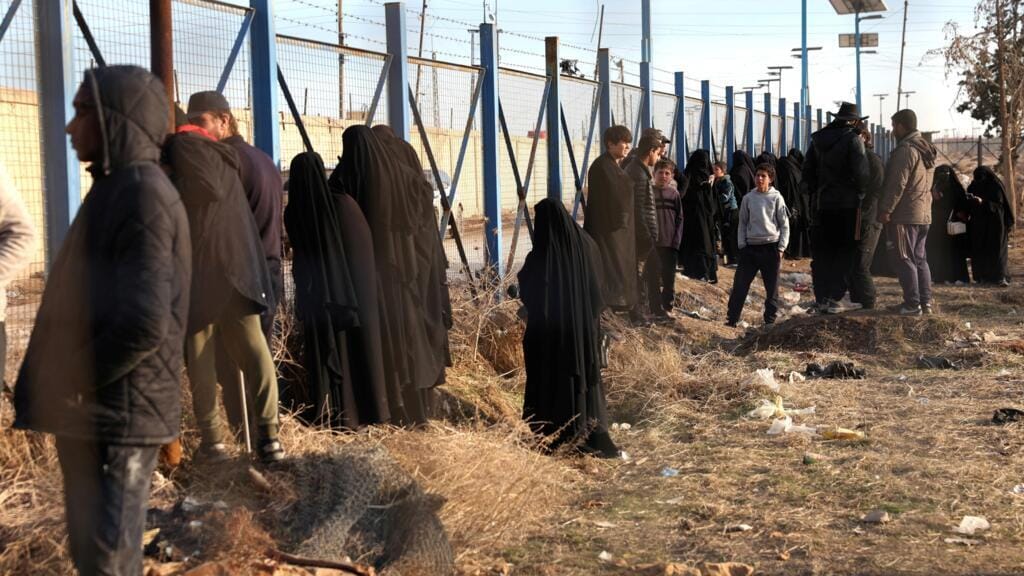
The recent transfer of high-ranking Islamic State detainees from Syrian custody to Iraq has brought renewed attention to the challenge European governments face in handling their citizens involved with the group. Many European countries have been hesitant or slow to repatriate and prosecute individuals who joined or supported the Islamic State, leaving the issue largely unresolved.
Now that these prisoners are in Iraq, European governments must decide how to respond, including whether to bring their nationals back for trial or rely on Iraqi legal processes. This situation raises complex legal, security, and humanitarian questions, as some detainees are accused of serious crimes, while others may be minors or victims themselves.
The transfer highlights the ongoing difficulties in addressing the aftermath of the Islamic State’s territorial defeat and the fate of foreign fighters and their families. Governments in Europe are under growing pressure from human rights organizations and the public to take clear and responsible action.
Why this matters:
The handling of Islamic State detainees affects international security and justice efforts. How European countries respond will shape future policies on terrorism, citizenship, and human rights, while impacting regional stability in the Middle East.
Source: NewsData