Overview
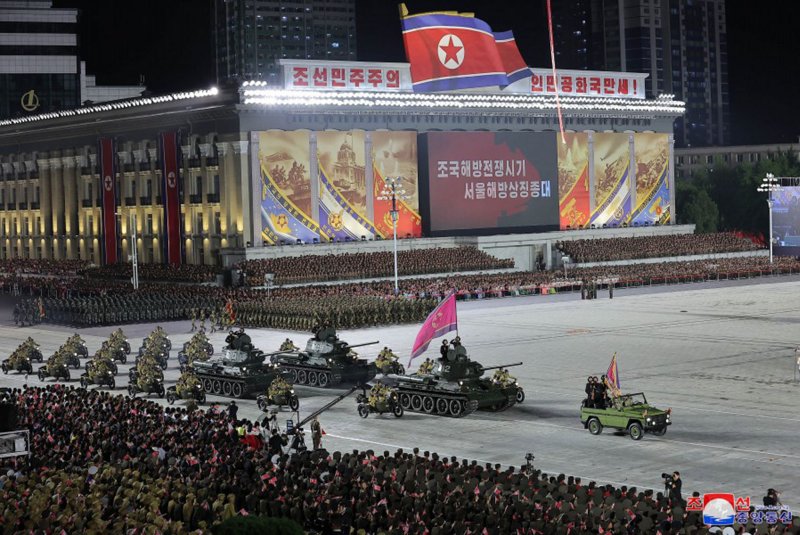
North Korea is reportedly organizing a significant military parade involving approximately 12,000 participants, according to a lawmaker’s statement. The preparations indicate a display of military strength and national unity, likely timed to coincide with an important national event. This large-scale mobilization underscores Pyongyang’s ongoing emphasis on military capabilities amidst regional and international tensions. The parade is expected to showcase various military units, equipment, and strategic assets, reflecting the country’s focus on demonstrating its defense readiness and resilience. Observers are monitoring the event closely, considering its implications for regional security and diplomatic relations.
Key Points
The upcoming military parade in North Korea is anticipated to involve around 12,000 personnel, including soldiers and support staff. The event is being organized with meticulous preparation, emphasizing discipline and coordination. Military hardware, such as missiles, armored vehicles, and artillery, is expected to be prominently displayed. The parade serves both as a domestic morale booster and a signal to external audiences regarding North Korea’s military capabilities. The scale of participation and equipment suggests a significant investment of resources and strategic intent by the North Korean leadership. This event will likely be one of the largest military demonstrations in recent years.
Background
Military parades have historically been a key feature of North Korea’s political and military culture, often held to commemorate important anniversaries or leadership milestones. These events provide the regime an opportunity to project strength, unity, and ideological commitment to its citizens and the international community. Past parades have showcased advancements in missile technology and other defense systems, serving as a platform for signaling strategic intentions. The country’s geopolitical context, including its relationship with South Korea, the United States, and neighboring countries, often influences the timing and messaging of such displays. The current preparations follow a period of heightened diplomatic activity and persistent security concerns in the region.
Detailed Analysis
The scale of the planned parade, involving 12,000 personnel, reflects North Korea’s intent to reaffirm its military prowess amid ongoing geopolitical challenges. This mobilization can be interpreted as a demonstration of internal cohesion and deterrence capability. The inclusion of diverse military units and sophisticated weaponry may indicate recent developments in defense technology or strategic priorities. Additionally, the parade serves as a platform for domestic propaganda, reinforcing the regime’s narrative of resilience against external pressures. Analysts suggest that the timing and composition of the parade will be carefully crafted to maximize political impact and influence regional security dynamics. The event may also affect diplomatic negotiations and international responses.
Why It Matters
The North Korean military parade holds significance for regional and global security, as it provides insight into the country’s military capabilities and strategic intentions. Such displays can affect the security calculations of neighboring countries and influence diplomatic approaches by key international actors. The scale and sophistication of the parade may signal advancements in military technology, potentially impacting arms control and non-proliferation efforts. Furthermore, the event serves as a barometer for the regime’s internal stability and priorities. Understanding the context and implications of this parade is essential for policymakers, analysts, and the global community in anticipating North Korea’s future actions and responses.
Conclusion
North Korea’s preparation for a large-scale military parade involving 12,000 personnel highlights the regime’s continued focus on projecting military strength and national unity. This event is poised to be a significant demonstration of the country’s defense capabilities and strategic messaging amid a complex regional security environment. While serving domestic political objectives, the parade also carries implications for international relations and security dynamics in East Asia. Close observation of the parade’s composition and timing will provide valuable insights into North Korea’s military advancements and strategic posture. As the situation evolves, stakeholders will need to assess the parade’s impact on diplomatic efforts and regional stability.