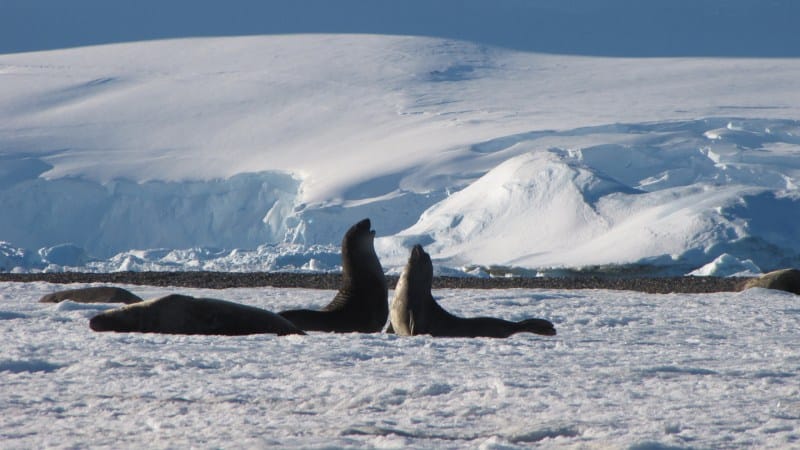
Overview
The future of Antarctica hinges on decisions made in the present, as the continent faces the risk of irreversible transformations due to climate change. Rising temperatures and melting ice sheets threaten to disrupt global sea levels and ecological systems. Scientific assessments emphasize the urgency of mitigating greenhouse gas emissions and implementing effective environmental policies to safeguard Antarctica’s stability. Immediate actions could slow or prevent the progression of ice loss, while delays may lead to permanent alterations with widespread consequences. International cooperation and adherence to climate agreements play a vital role in addressing these challenges. Understanding the complex interplay of environmental factors is essential for informed decision-making and long-term preservation of this critical region.
Key Points
Antarctica is experiencing accelerated ice melt driven by increasing global temperatures. This process contributes significantly to rising sea levels, posing risks to coastal communities worldwide. Scientific studies indicate that passing certain thresholds could trigger irreversible ice sheet disintegration. Current emission trajectories suggest a need for more ambitious climate action to avoid these tipping points. International frameworks, such as the Antarctic Treaty System, provide mechanisms for managing human activities and protecting the environment. However, enforcement and global commitment remain challenges. Research continues to monitor ice dynamics and predict future changes, informing policymakers about potential scenarios. Addressing these issues requires coordinated efforts across nations and sectors to reduce emissions and enhance resilience.
Background
Antarctica, the Earth’s southernmost continent, is covered by vast ice sheets containing the majority of the planet’s freshwater reserves. Historically, the region has maintained a relatively stable climate. However, over recent decades, evidence from satellite observations and field studies has revealed increasing ice loss and warming trends. The continent’s ice contributes to global sea levels; thus, its stability is closely monitored by the scientific community. International agreements have long recognized Antarctica’s ecological significance, restricting exploitation and promoting research. Climate change poses unprecedented threats to the region’s environment, challenging existing conservation frameworks. Understanding Antarctica’s role in the global climate system is essential for anticipating the broader impacts of ongoing environmental changes.
Detailed Analysis
The accelerating ice melt in Antarctica results from complex interactions between atmospheric warming, ocean currents, and ice sheet dynamics. Rising air temperatures melt surface ice, while warmer ocean waters erode ice shelves from below, destabilizing the ice sheets. Models project that if greenhouse gas emissions continue unabated, large portions of the Antarctic ice sheet could contribute substantially to sea level rise over the coming centuries. This process is not uniform; some areas lose ice rapidly, while others remain stable or gain ice from snowfall. The potential for feedback mechanisms, such as reduced albedo and increased ice flow, adds uncertainty to projections. Mitigation strategies focus on reducing emissions globally and enhancing understanding through continued research. The effectiveness of these strategies depends on timely implementation and international collaboration.
Why It Matters
Changes in Antarctica have global implications due to their influence on sea level and climate patterns. Rising sea levels threaten infrastructure, ecosystems, and economies, particularly in low-lying coastal regions. The continent’s ice dynamics also affect ocean circulation, which regulates weather systems and marine biodiversity worldwide. Preventing irreversible changes in Antarctica is vital to maintaining planetary stability and safeguarding human societies. Moreover, Antarctica serves as an indicator of broader environmental shifts, offering insights into the pace and scale of climate change. Effective responses today can reduce future risks and costs, highlighting the importance of informed policymaking and public engagement. The continent’s preservation aligns with global sustainability goals and ethical considerations regarding environmental stewardship.
Conclusion
The trajectory of Antarctic ice loss underscores the critical nature of present-day decisions regarding climate action. While ongoing changes pose significant risks, they also provide an opportunity to implement measures that can mitigate long-term impacts. Strengthening international cooperation, adhering to emission reduction commitments, and investing in scientific research are essential components of a comprehensive response. Proactive policies can help avoid crossing thresholds that lead to irreversible damage, preserving Antarctica’s role in the Earth’s climate system. The situation calls for a balanced approach that integrates environmental, social, and economic considerations. Ultimately, the choices made today will determine the extent to which Antarctica remains a stable and resilient environment in the face of global change.