Overview
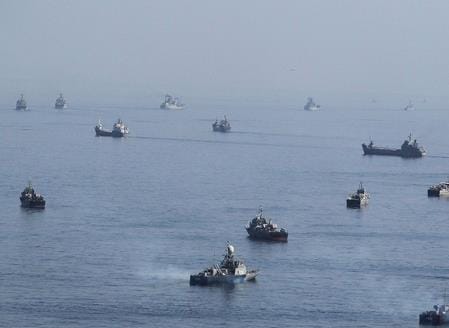
Iran and Russia recently engaged in joint military drills, signaling a coordinated defense posture amid ongoing geopolitical challenges. The exercises come at a time when diplomatic relations and security concerns in the region are particularly sensitive. Concurrently, then-U.S. President Donald Trump suggested a potential 15-day deadline regarding negotiations, adding urgency to the international discourse. These developments reflect the complex interplay between military collaboration and diplomatic maneuvering among key global actors.
Key Points
The joint military exercises between Iran and Russia demonstrate a strategic partnership aimed at enhancing mutual defense capabilities. The drills involve coordinated land, air, and naval operations, highlighting interoperability between the two nations’ armed forces. Meanwhile, statements from the U.S. administration introduced a potential timeframe for diplomatic negotiations, underscoring the pressure on Iran in the context of sanctions and international agreements. These events collectively underscore the heightened state of alert and the multifaceted nature of current international relations.
Background
Iran and Russia have maintained a collaborative relationship over recent years, particularly in military and strategic domains. Their partnership has been influenced by shared interests in regional stability and opposition to certain Western policies. The joint exercises represent an extension of this cooperation, aimed at demonstrating military readiness. Simultaneously, the United States, under the Trump administration, has adopted a more stringent approach towards Iran, including economic sanctions and diplomatic pressure. The interplay between these actions forms the broader context for the current military and political developments.
Detailed Analysis
The joint drills between Iran and Russia serve multiple purposes, including deterrence, signaling strength, and fostering deeper military ties. For Iran, the collaboration reinforces its defense capabilities amid international scrutiny. For Russia, it offers a strategic foothold in the Middle East and an opportunity to challenge U.S. influence. The suggested 15-day deadline by the U.S. introduces a dynamic element to negotiations, potentially accelerating diplomatic efforts or escalating tensions. These factors contribute to a complex security environment where military posturing and diplomatic initiatives are closely intertwined.
Why It Matters
These developments are significant as they impact regional security and global diplomatic relations. The military cooperation between Iran and Russia may alter power balances and affect neighboring countries’ security calculations. The U.S. stance and proposed negotiation timeline influence international diplomatic strategies and potential resolutions to ongoing disputes. Understanding these interactions is crucial for policymakers, analysts, and the international community to anticipate possible outcomes and formulate responses that promote stability.
Conclusion
The joint military exercises conducted by Iran and Russia, combined with the U.S. administration’s indicated deadlines for negotiations, highlight the intricate nature of contemporary international relations. These events underscore the importance of diplomatic engagement alongside military preparedness in addressing regional and global challenges. Moving forward, monitoring the implications of this cooperation and diplomatic signals will be essential in assessing the trajectory of geopolitical dynamics and efforts toward conflict resolution.