Overview
Researchers in the United States have developed a novel approach utilizing particle accelerator technology to convert nuclear waste into usable electricity while significantly reducing its radioactive lifespan. This innovative method transforms hazardous nuclear byproducts, which traditionally require long-term storage and management, into a more manageable form with a reduced half-life. The technology aims to address critical challenges in nuclear waste disposal by accelerating the decay process and generating energy in the process. Early demonstrations indicate that the radioactive life of waste materials can be decreased by approximately 99.7%, presenting a potential breakthrough in sustainable nuclear waste management and energy recovery strategies.
Key Points
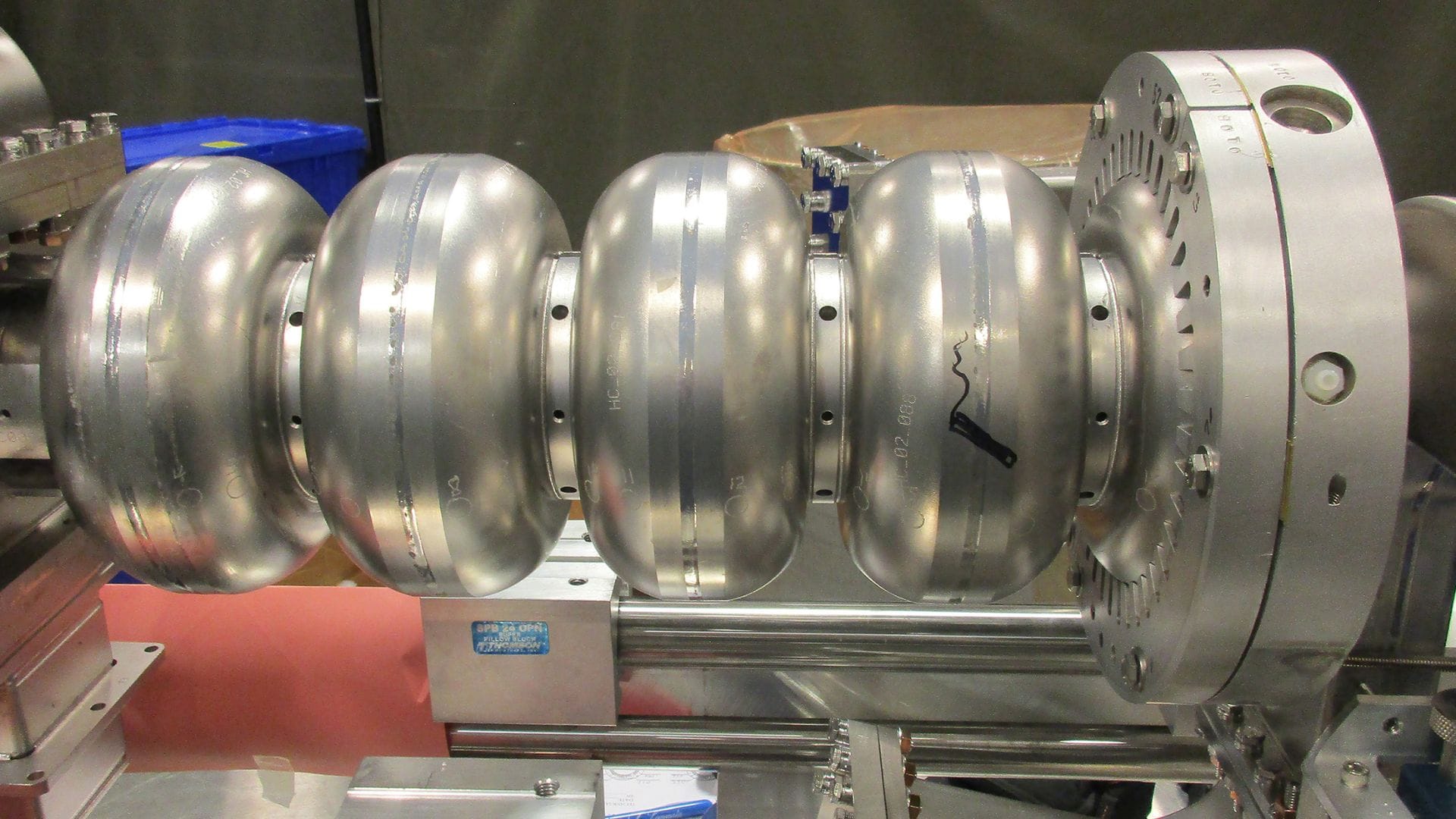
The particle accelerator method involves bombarding nuclear waste with high-energy particles to induce transmutation, thereby accelerating the decay of long-lived radioactive isotopes. This process not only diminishes the harmful radioactivity but also produces electricity as a byproduct, contributing to energy generation. The reduction in radioactive lifespan by nearly 99.7% could substantially decrease the time required for waste to become safe for disposal. The technology offers a dual benefit of mitigating environmental risks associated with nuclear waste and providing an alternative energy source. While still under development, this approach represents a promising advancement in addressing the persistent issue of nuclear waste management.
Background
Nuclear waste has long posed significant environmental and safety challenges due to its prolonged radioactivity, often spanning thousands of years. Traditional disposal methods involve isolating waste in secure facilities, which require ongoing monitoring and management. The development of particle accelerators has primarily been associated with physics research, but recent innovations have explored their application in nuclear waste treatment. By leveraging particle acceleration to induce nuclear reactions, scientists aim to transform hazardous isotopes into less dangerous forms more rapidly. This concept has garnered interest as countries seek sustainable solutions to manage nuclear byproducts while minimizing ecological impact and storage demands.
Detailed Analysis
The application of particle accelerators to nuclear waste treatment represents a multidisciplinary effort combining nuclear physics, engineering, and environmental science. The process, known as transmutation, alters the atomic nuclei of radioactive isotopes, effectively shortening their half-life and reducing long-term hazards. One of the key challenges is optimizing energy input versus output to ensure the process is economically viable and environmentally beneficial. The integration of electricity generation adds value, potentially offsetting operational costs. However, scaling the technology to handle large volumes of waste and ensuring safety during operation remain areas of ongoing research. Future developments will focus on improving efficiency, reducing costs, and validating long-term outcomes through pilot projects and regulatory assessments.
Why It Matters
Addressing nuclear waste is a critical global issue due to the environmental risks and costs associated with its long-term storage. The ability to substantially reduce the radioactive lifespan of nuclear waste could transform waste management practices, enhancing safety and reducing financial burdens for governments and industry. Additionally, generating electricity as part of the process aligns with broader goals of sustainable energy development. This technology could contribute to cleaner energy cycles and reduce reliance on geological repositories. Its advancement also holds geopolitical significance, as countries with nuclear programs seek effective waste solutions. Ultimately, this approach may pave the way for more responsible stewardship of nuclear materials and improved public confidence in nuclear energy.
Conclusion
The innovative use of particle accelerators to convert nuclear waste into electricity and reduce its radioactivity marks a significant step forward in nuclear waste management. While still in developmental stages, the technology demonstrates potential to address longstanding challenges associated with nuclear byproducts. By accelerating decay and recovering energy, this method offers a dual benefit that could improve environmental safety and contribute to energy sustainability. Continued research, investment, and regulatory collaboration will be essential to realize its full potential. If successfully implemented at scale, this advancement could redefine nuclear waste disposal practices and support global efforts toward safer, cleaner energy solutions.