Overview
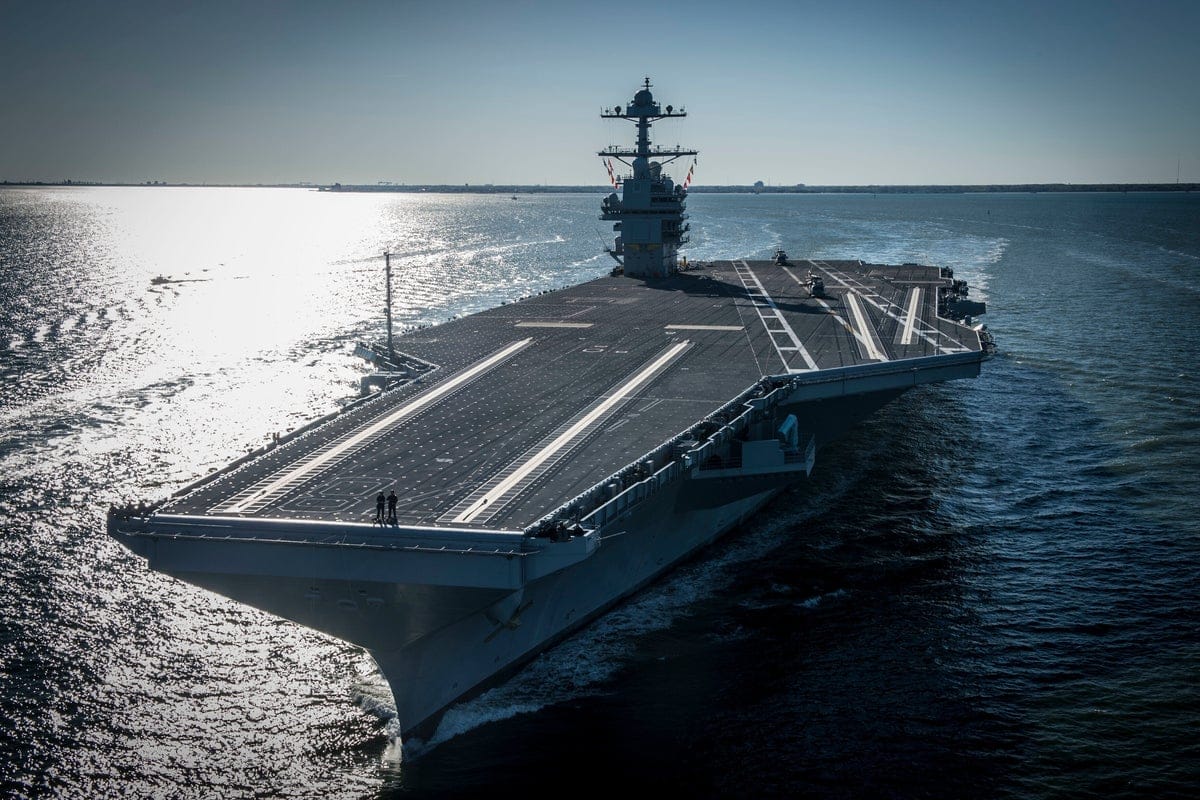
The United States has increased its military assets in the Middle East, including deployment of F-35 fighter jets, refueling tankers, and the arrival of the Navy’s largest warship. These movements are part of a broader strategic buildup amid heightened concerns over Iran’s regional activities and potential threats. The enhanced military presence aims to deter possible aggression and prepare for various contingencies. Officials emphasize that the deployments are precautionary, intended to maintain stability and protect U.S. interests in the region. This escalation reflects ongoing complexities in U.S.-Iran relations and the broader geopolitical landscape of the Middle East.
Key Points
Key developments include the deployment of advanced F-35 stealth fighter jets, the positioning of aerial refueling tankers to extend operational capabilities, and the arrival of the Navy’s largest aircraft carrier strike group. These assets collectively enhance surveillance, strike, and support capacities in the area. The buildup occurs amid intelligence assessments indicating potential threats from Iranian-backed groups. U.S. military officials have stated the force posture is defensive and aimed at preventing escalation. Coordination with regional partners continues to be a critical component of the strategy.
Background
Tensions between the United States and Iran have persisted for decades, with recent years marked by heightened confrontations and diplomatic challenges. The 2015 Iran nuclear deal’s unraveling and subsequent re-imposition of sanctions have contributed to increased friction. Iran’s activities in the region, including missile tests and support for proxy groups, have raised concerns among U.S. policymakers. Previous incidents, such as attacks on oil tankers and U.S. forces, have influenced current defense postures. The Middle East remains a strategic area for U.S. foreign policy due to energy resources, regional alliances, and global security interests.
Detailed Analysis
The deployment of F-35s and accompanying support aircraft enables the U.S. to conduct precision operations with greater reach and flexibility. The presence of the largest aircraft carrier strike group signals a significant show of force, intended to deter adversaries and reassure allies. This military posture allows for rapid response to emerging threats while providing intelligence-gathering capabilities. However, such escalations carry risks of miscalculation and unintended consequences. Diplomatically, the buildup may pressure Iran but also complicates ongoing or future negotiations. The situation requires careful balancing between demonstrating resolve and avoiding provocation.
Why It Matters
The augmented U.S. military presence in the Middle East has implications for regional stability and international security. It underscores the seriousness with which the U.S. views potential threats from Iran and affiliated groups. For global energy markets, any conflict affecting the region could disrupt supply chains. Allies and partners in the region look to U.S. commitments as a deterrent against aggression. Moreover, the developments influence diplomatic dynamics, potentially impacting efforts toward de-escalation or renewed dialogue with Iran. Understanding these movements is essential for assessing future geopolitical shifts.
Conclusion
The recent military buildup by U.S. forces in the Middle East reflects a cautious approach to managing rising tensions with Iran. While intended as a deterrent and protective measure, it highlights the fragile nature of security in the region. Continued vigilance, combined with diplomatic engagement, will be critical to preventing escalation. The situation remains fluid, requiring ongoing assessment by policymakers and military leaders. Ultimately, balancing military readiness with efforts to pursue peaceful resolutions will shape the trajectory of U.S.-Iran relations and regional stability.