Overview
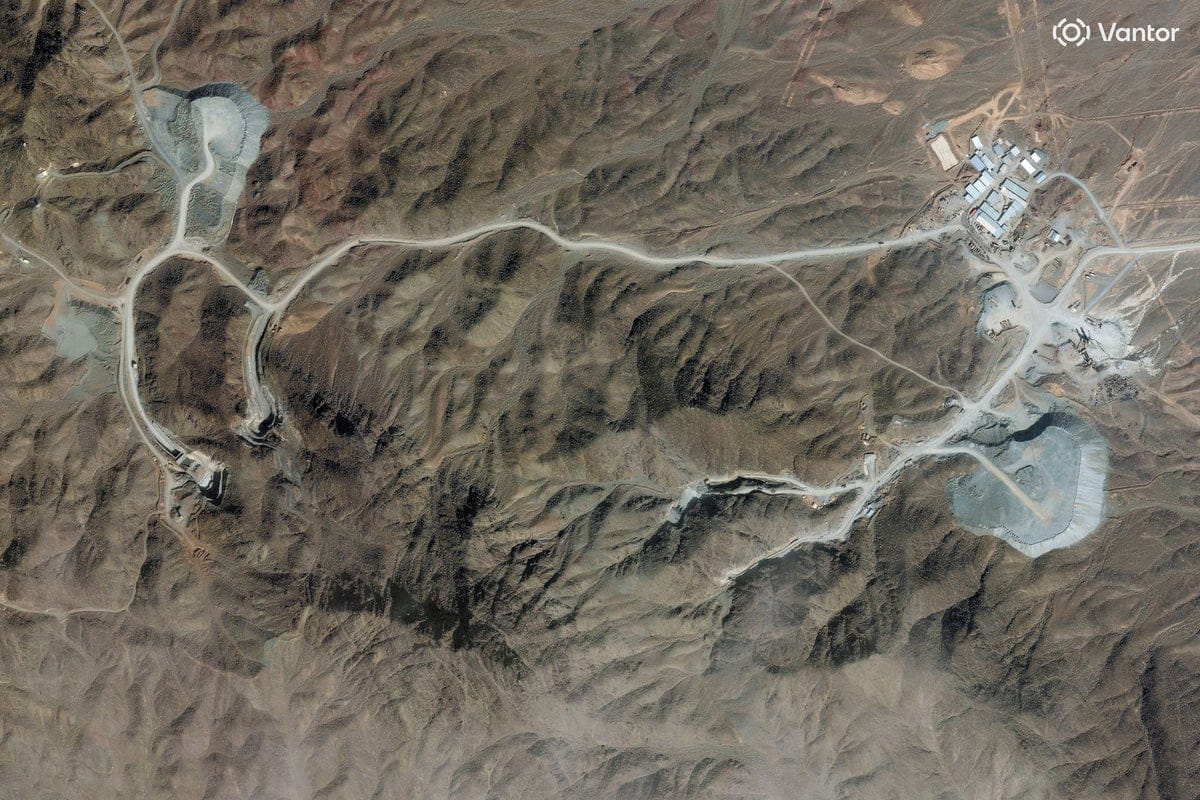
Recent satellite imagery has identified a rapid reconstruction effort at several strategic military sites in Iran. These developments come amid ongoing tensions between Iran and the United States, highlighting Tehran’s focus on strengthening its military infrastructure. The reconstruction activities involve key facilities that are considered critical to Iran’s defense capabilities. This accelerated rebuilding phase suggests a strategic response to the evolving geopolitical landscape and potential security threats. International observers are closely monitoring these changes to assess their impact on regional stability and diplomatic relations between Iran and Western powers.
Key Points
Satellite images show Iran undertaking swift reconstruction at multiple military installations. The sites involved are pivotal for Iran’s defense and military operations. This rebuilding phase coincides with heightened diplomatic strains and security concerns between the US and Iran. The pace and scale of reconstruction indicate an emphasis on enhancing military readiness. Analysts note that these activities may affect ongoing negotiations and regional security dynamics. The developments underscore Iran’s commitment to maintaining and upgrading its defense infrastructure despite external pressures and sanctions.
Background
Relations between Iran and the United States have been marked by fluctuating tensions over the past decades, influenced by issues such as nuclear development, regional influence, and sanctions. Iran’s military infrastructure has been a focal point in these disputes, with concerns raised over its capabilities and intentions. Previous periods of reconstruction and military enhancement have often followed diplomatic impasses or regional conflicts. The current reconstruction efforts must be viewed within this context, where both sides have engaged in a complex interplay of diplomacy, sanctions, and military posturing. Understanding this background is essential to comprehending the significance of Iran’s recent activities.
Detailed Analysis
The accelerated rebuilding of Iran’s military sites, as evidenced by satellite imagery, reflects a calculated strategic decision by Tehran. The timing aligns with increased diplomatic friction and regional uncertainties, suggesting a desire to fortify defense capabilities. This may serve multiple purposes: deterring potential aggression, consolidating regional influence, and strengthening Iran’s bargaining position in international negotiations. Furthermore, the reconstruction effort could indicate advancements in military technology or infrastructure modernization. Analysts emphasize that while these developments demonstrate Iran’s resilience, they also risk exacerbating tensions with the US and its allies, potentially complicating diplomatic resolutions.
Why It Matters
The rapid reconstruction of key military sites in Iran carries significant implications for regional and global security. It signals Tehran’s intent to bolster its military strength amidst a climate of uncertainty and confrontation with the United States. This development may influence the strategic calculations of neighboring countries and global powers engaged in the Middle East. Additionally, it impacts ongoing diplomatic efforts aimed at de-escalation and conflict resolution, potentially altering the balance of power. Understanding these changes is critical for policymakers, defense analysts, and international stakeholders monitoring the evolving geopolitical environment.
Conclusion
The satellite images revealing Iran’s swift rebuilding of critical military installations underscore a pivotal moment in US-Iran relations. This reconstruction effort highlights Iran’s strategic priorities and its response to external pressures and regional dynamics. While it may enhance Tehran’s defense posture, it also adds complexity to the diplomatic landscape. Moving forward, continued monitoring and analysis will be essential to gauge the long-term implications for regional stability and international diplomacy. The situation remains fluid, with potential developments likely to influence future interactions between Iran, the United States, and other global actors.