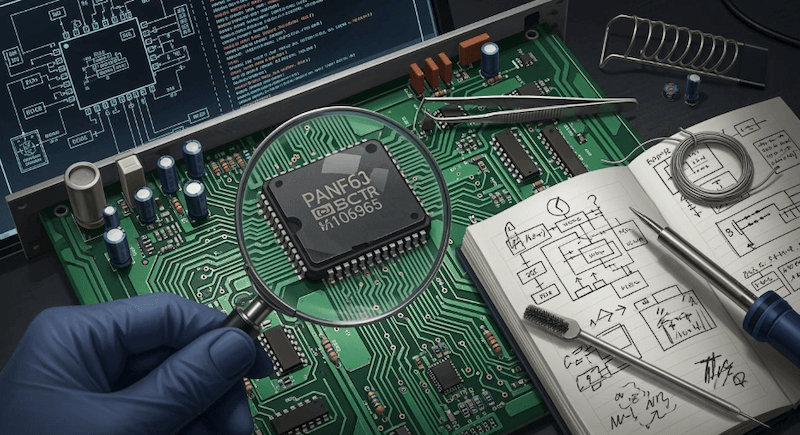
Many older electronic devices are no longer supported by manufacturers, making repairs and upgrades challenging. By reverse engineering printed circuit boards (PCBs) and integrated circuits (ICs), technicians and enthusiasts can identify components, understand circuit layouts, and restore or enhance these devices. This process often involves analyzing the physical and functional design of the boards to recreate schematics or bypass restrictions.
Reverse engineering is commonly used to extend the lifespan of gadgets, improve their performance, or adapt them for new uses. It can also help overcome limitations set by manufacturers, such as planned obsolescence or locked firmware, enabling users to maintain control over their electronics.
**Why this matters**
As technology advances rapidly, many electronic products become obsolete or unsupported, leading to increased electronic waste. Reverse engineering techniques provide a way to repair and repurpose these devices, promoting sustainability. Additionally, these methods empower users to preserve valuable equipment and reduce dependency on manufacturer updates or replacements.
Source: NewsData