**Article:**
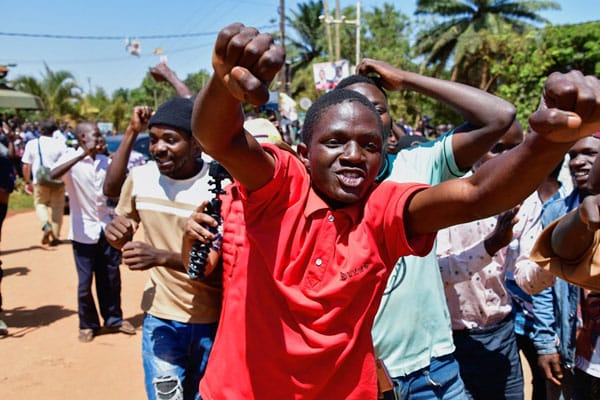
On January 15, Ugandans participated in a national election that many observers expected to favor the incumbent leadership. As voting commenced, mobile internet services were abruptly suspended across the country, limiting access to information and communication. This disruption raised concerns about transparency and the ability of citizens to freely engage in the electoral process.
The election results were announced with little surprise, reinforcing the dominance of the current government. Critics argue that the combination of restricted internet access and limited political competition undermines the democratic nature of the elections. Authorities maintained that the measures were necessary to ensure security and order during the voting period.
**Why this matters:**
Access to reliable information and open communication channels are essential components of a fair electoral process. The shutdown of mobile internet during the election hindered transparency and may have affected voter participation and monitoring. Understanding these dynamics is crucial for assessing the state of democracy in Uganda and the broader implications for governance and civil rights in the region.
Source: NewsData